Whatsapp
 +91 9496064000
 Login
Login
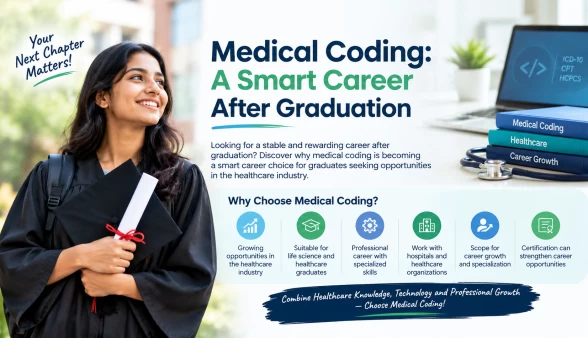
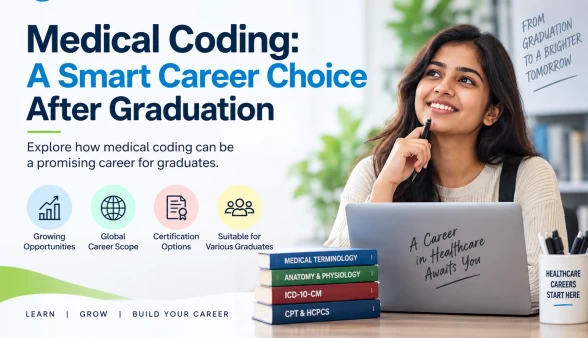
Medical Coding: A Smart Career After Graduation
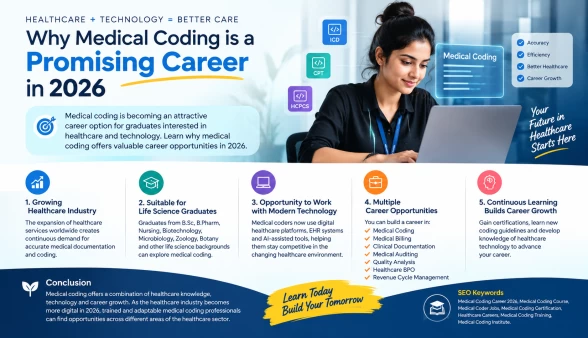
Looking for a stable and rewarding career after graduation? Discover why medical coding is becoming a smart career choic...
VIEW MORE 

For years, the CPC (Certified Professional Coder) was the undisputed starting point for anyone entering the medical coding field. But as we move through 2026, a massive shift is happening in the Revenue Cycle Management (RCM) industry.
While outpatient coding remains steady, the real demand—and the highest salaries—have shifted toward Inpatient (IP) Coding. This is where the AHIMA-CCS (Certified Coding Specialist) credential takes center stage.
Hospitals in the US, UAE, and India are dealing with increasingly complex surgical procedures and diagnostic documentation. General coding knowledge is no longer enough. Employers are now looking for professionals who can navigate:
ICD-10-PCS: The complex procedure coding system used exclusively for hospital inpatients.
DRG Validation: Ensuring the hospital is reimbursed accurately for high-resource cases.
Medical Record Auditing: The ability to find and fix errors before they become costly denials.
Data from the current hiring season shows that CCS-certified professionals are commanding 25% to 40% higher starting salaries compared to those with basic certifications. In global markets like Dubai and Abu Dhabi, a CCS credential isn't just an "extra"—it is often a mandatory requirement for high-tier hospital roles.
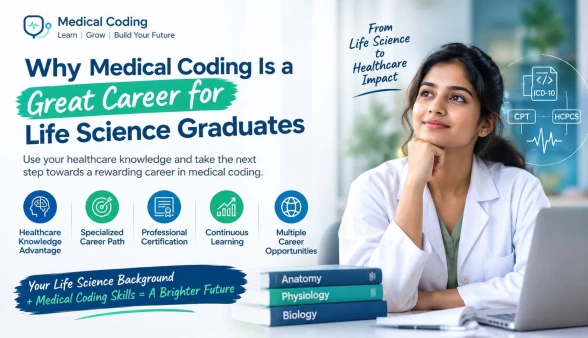
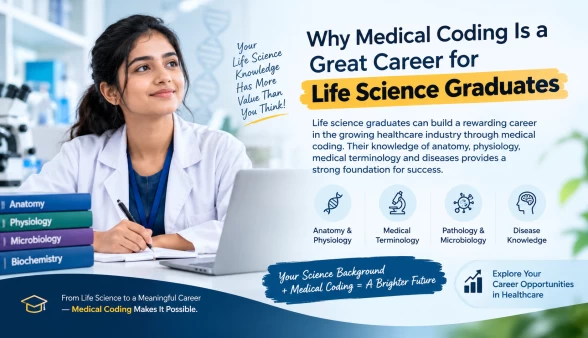
If you are a Life Science graduate or an existing coder who feels "stuck" in a routine outpatient role, the CCS is your bridge to:
Senior Coding Roles: Move into auditing and management faster.
Global Mobility: The AHIMA-CCS is recognized as the "Gold Standard" by international healthcare authorities.
Job Security: Specialist coders are currently among the most difficult positions for RCM companies to fill.