The Rise of Remote Medical Coding Jobs in 2026: Skills, Salary & Global Opportunities
The Rise of Remote Medical Coding Jobs in 2026: Skills, Salary & Global Opportunities
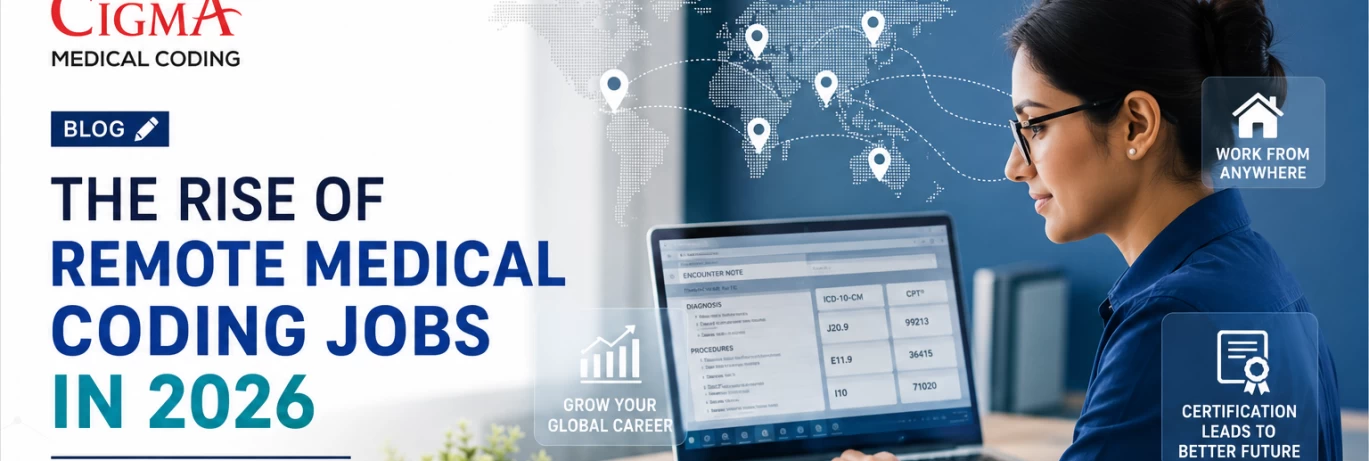
The healthcare industry is no longer limited by borders. In 2026, remote medical coding jobs are becoming one of the fastest-growing career opportunities in the global healthcare sector. Hospitals, insurance companies, and healthcare outsourcing firms are actively hiring certified medical coders who can work efficiently from anywhere in the world.
For students and healthcare professionals looking for flexibility, career growth, and international exposure, remote medical coding has opened a completely new path.
Why Remote Medical Coding is Growing Rapidly
Healthcare providers across countries like the US, UAE, UK, and Canada are increasingly depending on digital healthcare systems and electronic health records (EHRs). This shift has created a huge demand for skilled coders who can manage coding tasks remotely.
Several factors are driving this growth:
Expansion of telehealth services
Increased digital documentation in hospitals
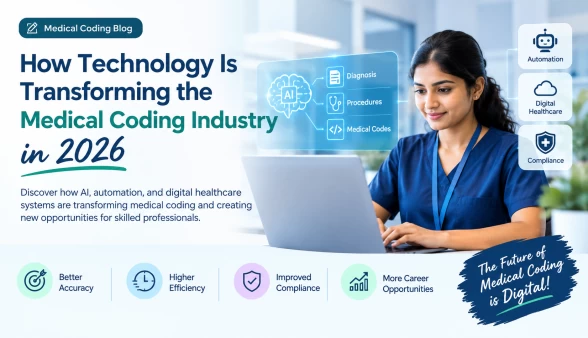
AI-assisted coding platforms
Global outsourcing trends
Demand for cost-effective healthcare operations
Today, companies prefer hiring certified coders who can maintain accuracy, compliance, and productivity while working remotely.
What Does a Remote Medical Coder Do?
A remote medical coder performs the same responsibilities as an in-office coder but works from home or remote locations.
Their responsibilities include:
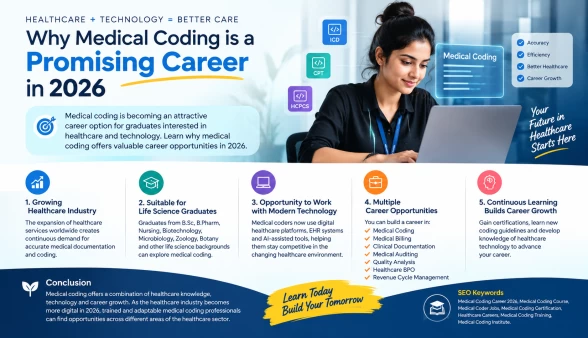
Assigning ICD-10-CM, CPT, and HCPCS codes
Reviewing patient records and physician notes
Ensuring claim accuracy and compliance
Supporting insurance claim processing
Reducing claim denials and coding errors
Remote coders often work with hospitals, insurance companies, revenue cycle management firms, and healthcare BPOs.
Skills Required for Remote Medical Coding Jobs
To succeed in remote medical coding careers, professionals need a combination of technical knowledge and workplace skills.
1. Strong Knowledge of Coding Systems
Understanding ICD-10-CM, CPT, HCPCS, DRG, and HCC coding is essential.
2. Attention to Detail
Small coding mistakes can lead to claim denials and compliance issues.
3. Communication Skills
Remote coders must communicate effectively with healthcare teams and auditors online.
4. Technical Skills
Knowledge of EHR software, coding platforms, and AI-assisted coding tools is becoming increasingly important.
5. Time Management
Since remote work requires self-discipline, coders must manage deadlines and productivity independently.
Certifications That Increase Remote Job Opportunities
Most global healthcare companies prefer certified coders. The most recognized certifications include:
CPC (Certified Professional Coder) – AAPC
CCS (Certified Coding Specialist) – AHIMA
CCA (Certified Coding Associate)
CPMA (Certified Professional Medical Auditor)
Among these, CPC and CCS certifications are highly preferred for international remote roles.
Salary of Remote Medical Coders in 2026
Salary depends on certification, experience, specialization, and employer location.
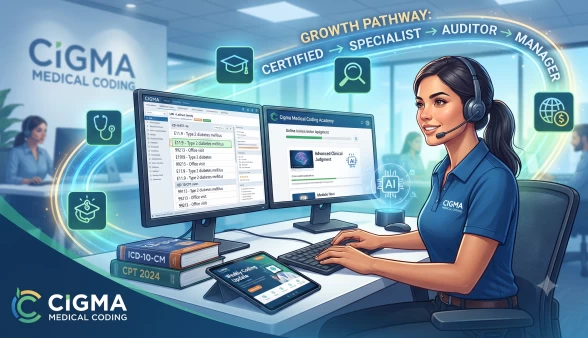
Cigma Medical Coding focuses on industry-ready training that prepares students for modern global healthcare careers. Their programs include:
CPC & CCS exam preparation
AI-integrated coding training
Real-time case studies
Advanced coding specializations
Placement support for global opportunities
Remote job-oriented practical training
With the healthcare industry moving toward digital and remote operations, students trained in advanced coding systems will have a strong advantage in 2026 and beyond.
Final Thoughts
Remote medical coding is no longer just a trend — it’s becoming the future of healthcare documentation careers. With the right certification, technical skills, and practical exposure, medical coders can build flexible, high-paying, and globally recognized careers from anywhere.
As healthcare systems continue adopting AI, telehealth, and digital workflows, remote medical coding professionals will remain in high demand worldwide.
 Whatsapp
 +91 9496064000
 Login
Login